
Free Online Health Care Courses With Certificates
After the 2010 earthquake in Haiti, Dr. Karl “Fritz” Disque was part of a team of physicians caring for survivors when a newborn named Maxwell stopped breathing moments after an emergency C-section. The nurse at his side hadn’t been trained in basic life support and didn’t recognize how serious his condition was. The team was able to save Maxwell, and the experience inspired Dr. Disque to create the Disque Foundation so that more people could learn life support skills.
Today, through the Save a Life Initiative (SALI), the Foundation offers free online health care courses to health care workers, first responders, and anyone who wants to learn at their own pace without paying a course fee, traveling to a training center, or rearranging a shift. Each one of these free online medical courses comes with a free certificate of completion.
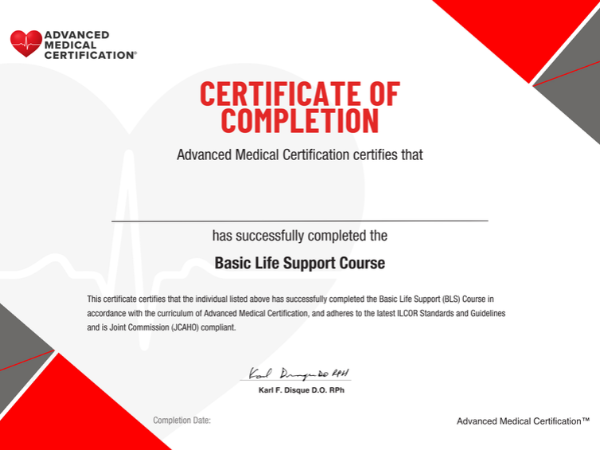
5 Free Online Health Care Courses You Can Take
These five courses cover essential medical skills that can come in handy in many situations. Some prepare you for emergencies at work or school, while others focus on more serious medical situations you might encounter in a clinic or hospital.
1. CPR, First Aid, and AED Course
You’re a teacher watching over a classroom when a child starts choking. Emergencies rarely give us time to prepare, but knowing what to do can make those first few minutes count. The CPR, First Aid, and AED course covers how to recognize emergencies, provide basic first aid, and perform CPR on adults, children, and infants, as well as the right way of using an AED.
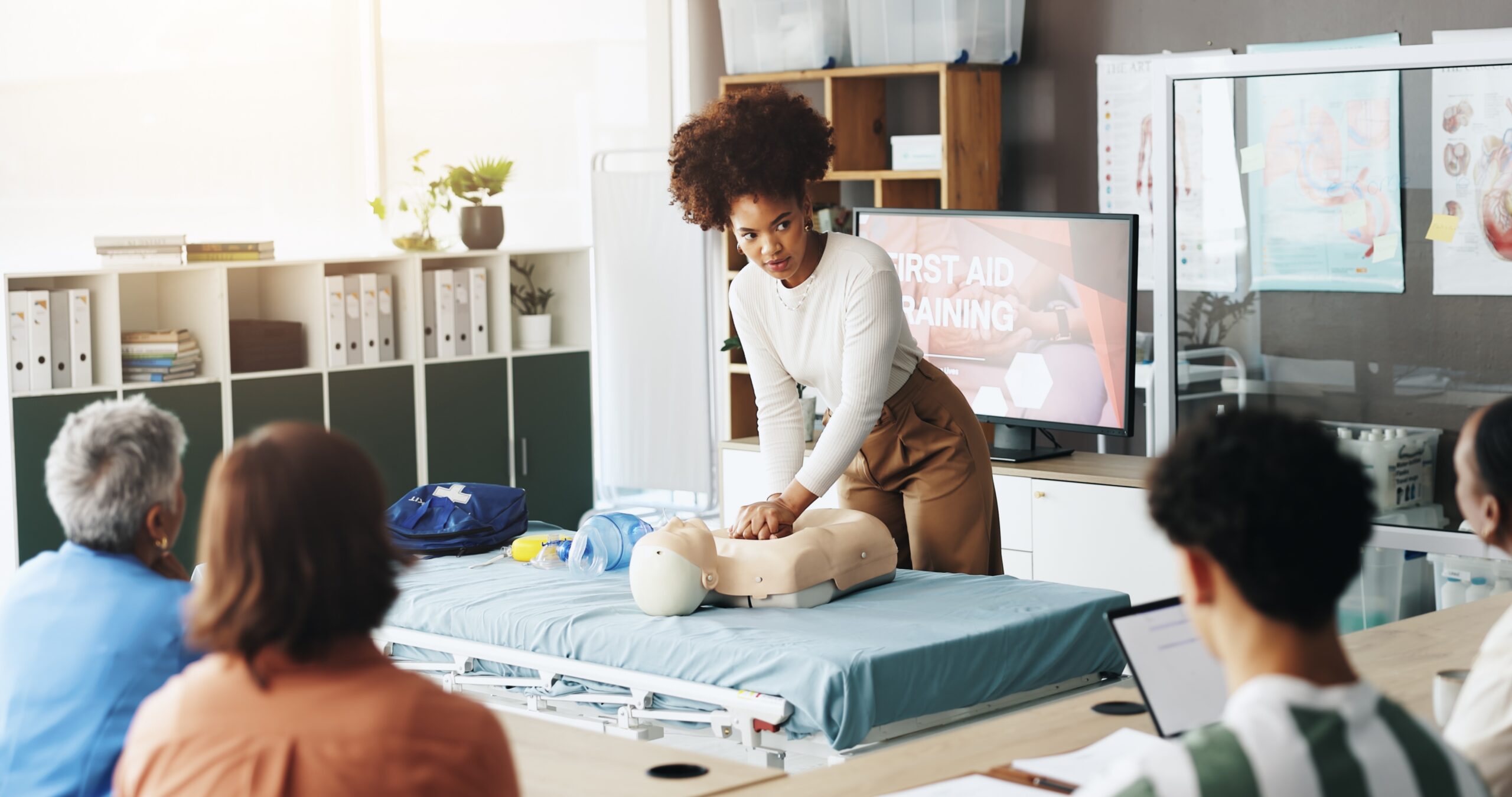
Who is it for? Teachers, childcare providers, workplace safety staff, first responders, and anyone who wants to learn first aid.
Explore the CPR, First Aid, and AED course
2. Basic Life Support (BLS) Course
A patient collapses in the hospital hallway. You rush over and realize they’re not breathing normally. Other staff members are on their way, but those first few moments are a matter of life or death. The BLS course covers what to do in situations like this, from starting CPR and using an AED to giving breaths with a bag-mask device. It also explains how to share responsibilities when another rescuer joins you.
Who is it for? Nurses, medical assistants, health care students, emergency responders, and other health care professionals.
3. Advanced Cardiac Life Support (ACLS) Course
A patient goes into cardiac arrest. The monitor shows a dangerous heart rhythm, and suddenly the entire medical team has to work together. Who handles the defibrillator? Who manages the airway? What happens once the patient’s heartbeat returns? The ACLS course helps answer these questions while covering cardiac rhythms, emergency medications, and the steps involved in resuscitation and post-cardiac arrest care.
Who is it for? Physicians, nurses, paramedics, and other health care professionals working in emergency or critical care.
4. Pediatric Advanced Life Support (PALS) Course
Children don’t always show the same warning signs as adults when something is wrong. Remember Maxwell, the infant from the beginning of this article? His story is a reminder of how important it is to recognize an emergency early. The PALS course covers breathing problems and cardiac arrest in infants and children. You’ll also learn how medical teams respond to these emergencies and care for young patients after resuscitation.
Who is it for? Pediatric nurses, emergency department staff, physicians, paramedics, and others who care for infants and children in emergencies.
5. Bloodborne Pathogens (BBP) Course
Accidents happen, even when you’re careful. A needlestick injury or an unexpected splash of blood can put you at risk of infection. The BBP course covers the precautions you can take to protect yourself and others, from using protective equipment and disposing of needles safely to cleaning contaminated surfaces. The lessons also walk you through what to do if an exposure happens and how to report it properly.
Who is it for? Health care workers, laboratory staff, first responders, and anyone who may come into contact with blood or other potentially infectious materials at work.
How to Get Started With Free Online Health Care Courses at the Disque Foundation
The process of getting started with a free health care education course is incredibly simple, with zero points of friction. Let us walk you through step by step:
- Step 1: Browse our selection of free online medical courses and choose your course.
- Step 2: Click Enroll on the course page and follow the prompts to start.
- Step 3: Review the lessons. You’ll find the lesson plan outlined on the left side of the screen.
- Step 4: Study at your own pace. Work through the lessons and use the available resources to review.
- Step 5: Complete the assessment and download your free certificate of completion.
- Step 6: If your employer or school requires an official certification card, you can upgrade separately through Advanced Medical Certification. Check which credential they accept first.
Start Learning With the Disque Foundation
Through the Save a Life Initiative, the Disque Foundation offers free online health care courses and works with local trainers who teach life-saving skills in their communities. That gives people more ways to learn, especially in places where training is hard to find. If you’re ready to start, explore the five free courses and pick the one that fits the emergencies you’re most likely to encounter at work, at school, or in your community.